Search
This guide delves into the realm of $150 dental implants, exploring their significance, cost implications, and options available across English-speaking countries. As dental implants become a cornerstone for restoring smiles, understanding the cost dynamics and affordable options remains crucial for those seeking a cost-effective solution to tooth loss.
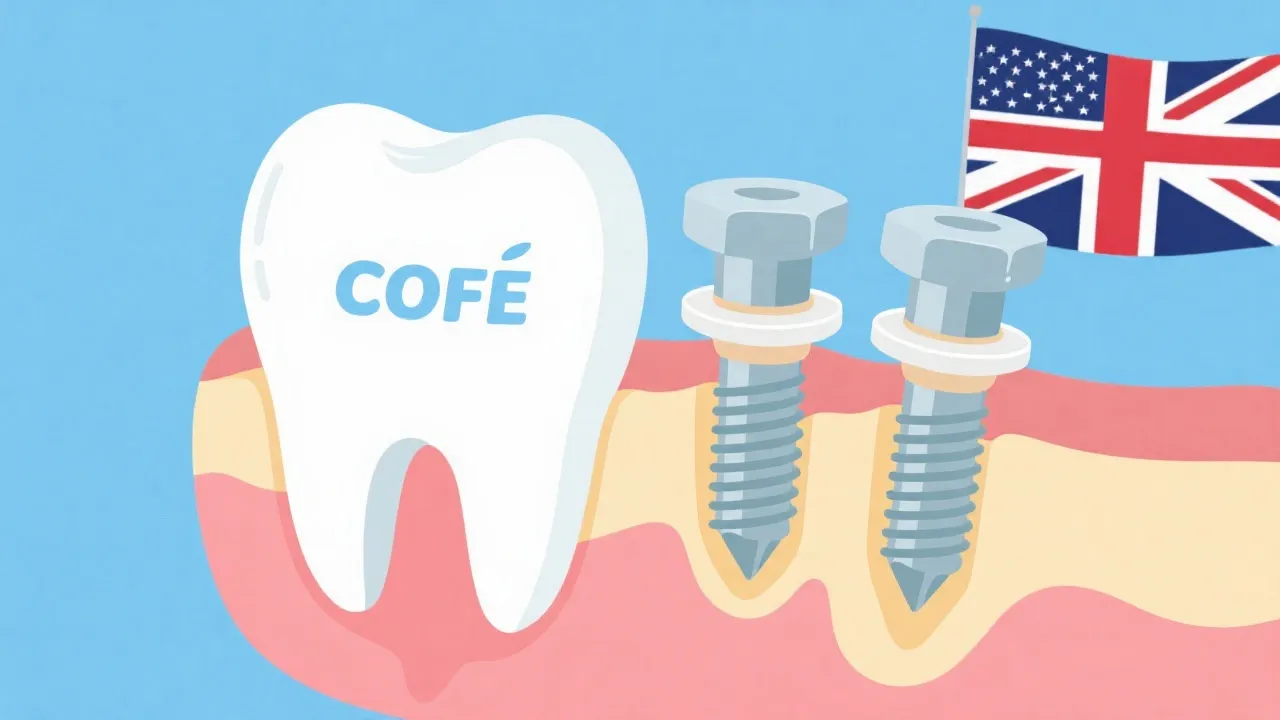
Dental implants have transformed modern dentistry by providing a lasting solution for missing teeth. As an alternative to dentures, implants offer structural integrity and mimic natural teeth in function and appearance. They consist of titanium posts surgically placed into the jawbone, which serve as a robust foundation for permanent replacement teeth. Despite their numerous benefits, including improved aesthetics, oral health, and comfort, the cost of dental implants has traditionally been a barrier for many.
The notion of "$150 dental implants" might sound like a remarkable bargain, given the high standard prices typically associated with dental implant procedures. It's vital to recognize that these low-cost offers often encapsulate introductory or promotional rates specifically aimed at attracting individuals seeking affordable options. Generally, these offers may cover only certain parts of the procedure, like the consultation or initial assessment while additional costs apply for other stages, such as imaging, surgical placement, and crowns. Understanding the fine print behind these deals is crucial to avoid unexpected expenses during the treatment process.
Patients should inquire about what the promotional price includes and whether there are any hidden fees or follow-up costs. It is not uncommon for low-cost implant options to come with limitations, which may also affect the material quality used or the experience level of the dental professionals involved.
The price of dental implants can vary significantly based on geographical region, clinic facilities, materials used, and even the expertise of the dental professional performing the treatment. In the United States, for example, implant costs can range from $3,000 to $6,000 per tooth. This variation underscores the importance of doing thorough research before deciding on a treatment option. Additionally, many implant costs may involve multiple stages: the initial consultation, imaging and planning, surgical placement of the implant, and finally, the abutment and crown placement.
For patients focusing on reducing expenses, affordable options exist, including discount plans, financing options, or promotional packages occasionally offered by dental offices. Furthermore, some practices may provide payment plans that allow for the cost of dental implants to be distributed over several months, which can significantly ease the financial burden on patients.
| Service Provider | Features |
|---|---|
| Dental Views | Specializes in affordable dental implants; offers comprehensive information on types, benefits, and pricing. |
| Atlantic Dental Group | Provides a range of dental services, detailed pricing, and appointment scheduling, combined with patient care options. |
| DentaVacation | Focuses on dental tourism, offering cost comparisons and travel arrangements to reduce treatment expenses while helping patients explore international options. |
Source: [www.dentalviews.com](https://dentalviews.com/low-cost-dental-implants/), [www.atlanticdentalgrp.com](https://www.atlanticdentalgrp.com/), [www.dentavacation.com](https://www.dentavacation.com/)
For individuals in English-speaking countries, several approaches can facilitate access to affordable dental implants:
A detailed understanding of regional pricing can better inform potential patients. Below is a concise table illustrating the cost variations for dental implants across various English-speaking countries:
| Country | Currency | Price Range |
|---|---|---|
| United States | USD | $3,000 - $6,000 |
| United Kingdom | GBP | £2,000 - £2,500 |
| Australia | AUD | AU$3,500 - AU$6,500 |
| Canada | CAD | CA$3,000 - CA$5,500 |
What are dental implants? Dental implants are metal posts or frames that are surgically positioned into the jawbone beneath your gums to allow dentists to mount replacement teeth that function and look like natural teeth. They are a durable alternative to traditional dentures and bridges.
How long do dental implants last? With proper care and oral hygiene, dental implants can last a lifetime, although the crown, which is the visible part of the implant, may need replacement after 10 to 15 years due to wear and tear. Regular dental check-ups can help ensure the long-term success of the implants.
Are dental implants safe? Yes, dental implants are considered safe when performed by qualified and experienced professionals. The procedure carries minimal risk and a high success rate, provided the patient maintains good oral hygiene and adheres to aftercare instructions. It is vital to have a comprehensive consultation with a dental professional who can assess individual health needs and conditions that may affect the implant success.
What factors influence the cost of dental implants? Several factors can influence the overall cost of dental implants, including the location of the dental office, the qualifications and experience of the dental surgeon, the materials used for the implants and crowns, the complexity of individual cases, and whether additional procedures are needed, such as bone grafting or sinus lifts, to prepare the mouth adequately for implant placement.
Can anyone get dental implants? Most people who are in good overall health and have sufficient bone density to support dental implants are candidates for the procedure. However, some conditions, such as uncontrolled diabetes or gum disease, may require management prior to implant placement. A thorough consultation and evaluation by a dental professional will determine candidacy for dental implants.
While the costs associated with dental implants can be substantial, numerous affordable options exist for those willing to explore various avenues. This may include seeking discounts through dental schools, taking advantage of promotional pricing, or considering dental tourism. Patients should weigh these options carefully, considering quality, overall healthcare benefits, and their financial circumstances to make informed decisions that align with both their health and financial goals.
The information provided here is sourced from online resources and is accurate as of October 2023. Please be advised that dental implant prices are for reference only and may differ by region, clinic, and healthcare provider. For the most accurate and personalized information, individuals should consult with licensed dental professionals.
The journey toward obtaining dental implants can be broken down into distinct stages to provide clarity for prospective patients:
The first step involves scheduling an initial consultation with a dentist or oral surgeon. Here, the dentist will assess the patient's overall dental health, bone structure, and suitability for implants. X-rays and 3D imaging may also be conducted to evaluate the jawbone and surrounding areas.
Once assessed, a personalized treatment plan will be developed. This plan outlines the specific procedures required, any prerequisites such as bone grafting if there isn’t enough bone to support the implants, and the timeline for each stage of the process. The treatment plan will also detail associated costs, which helps patients budget for the procedure.
The next stage involves the surgical placement of the implant into the jawbone. This is often performed under local anesthesia or sedation, based on the complexity of the case and patient comfort levels. During the procedure, the titanium post is inserted into the jawbone and covered with gum tissue to initiate healing. Osseointegration occurs during this phase, where the bone grows around and integrates with the implant, providing a sturdy foundation for future restoration.
Once the implant has successfully integrated with the bone, a minor surgical procedure may be performed to attach an abutment. The abutment is a connector piece that sits above the gum line. This requires local anesthesia, and healing typically takes a few weeks to ensure the gums can properly heal around the abutment.
The final stage will involve creating the crown, which is the visible restoration placed on top of the abutment. Advanced imaging and impressions will be taken to create a custom crown that fits seamlessly with the existing teeth. Once the crown is ready, it will be secured onto the abutment, and adjustments will be made to ensure proper fit and function.
Post-operative care is crucial for the successful integration and longevity of dental implants. Patients will receive specific instructions on how to maintain oral hygiene, manage any discomfort, and what dietary changes may be needed during the initial healing period. Routine follow-up visits will allow the dentist to monitor the progress and address any concerns that may arise.
Dental implants, while durable and designed to last, require ongoing maintenance to ensure their success. Like natural teeth, they can be affected by gum disease, decay, and other oral health issues. Here are some essential strategies for maintaining dental implants:
Many misconceptions surround dental implants that can deter individuals from seeking this treatment. Here are some common myths debunked:
The decision to undergo dental implant procedures is monumental, significantly impacting one’s quality of life and confidence. Thorough research, consultations with experienced professionals, and weighing the pros, cons, and financial implications are critical steps in this decision-making process. Affordable dental implant options exist; understanding the underlying details of pricing and procedures can help individuals take informed steps toward restoring their smiles.

This comprehensive guide explores the nuances of dental implants for seniors, offering an essential understanding of how implants can enhance oral health in later life. Dental implants have revolutionized senior dental care, providing an effective solution for tooth loss. By offering insights into costs, procedures, and considerations, we help seniors make informed decisions about pursuing this transformative dental treatment.

Dental implants provide seniors with a durable solution for missing teeth, enhancing both function and aesthetics. This guide explores the advantages and challenges of dental implants for seniors, offering insights into costs, procedures, and affordable options. It delves into the critical aspects of understanding and obtaining dental implants, especially pertinent to the needs of senior individuals.
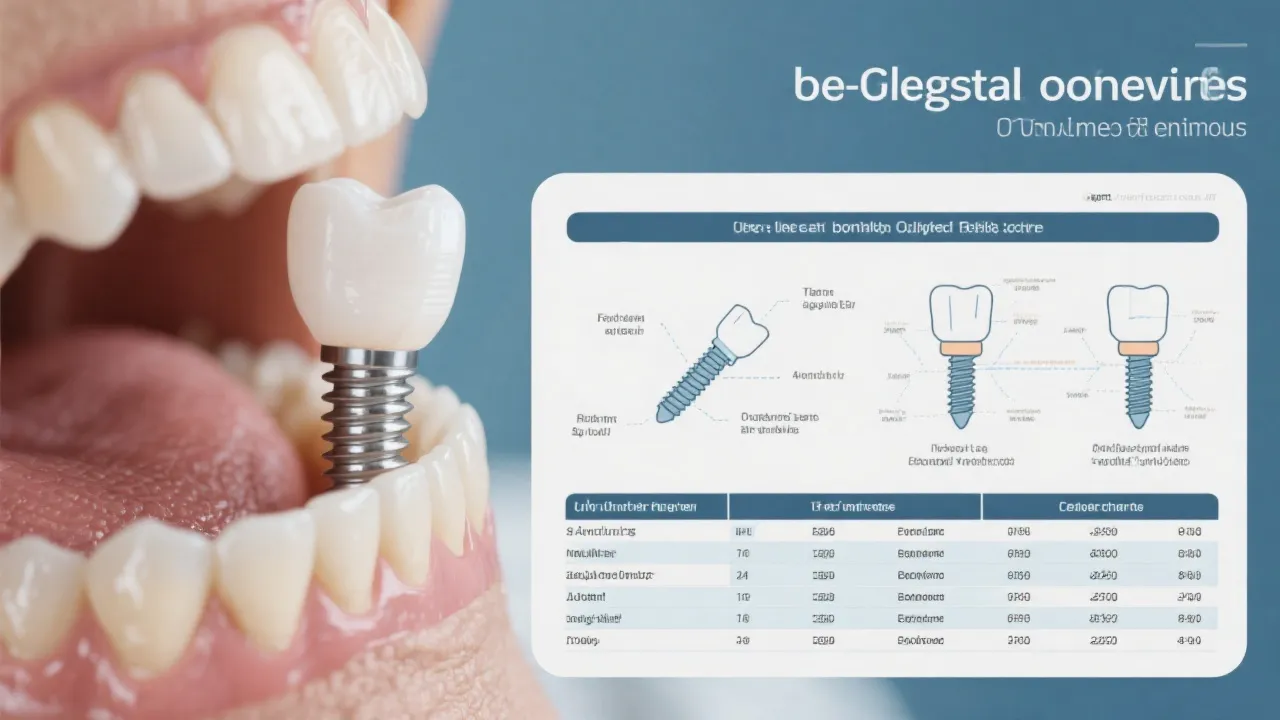
This comprehensive guide explores the world of dental implants tailored for seniors, highlighting their significance in maintaining oral health and quality of life. Dental implants are artificial tooth roots used to support restoration for missing teeth. They offer a durable solution, improving both aesthetic appearance and functionality, particularly vital for seniors facing tooth loss.

This guide provides an in-depth look into the realm of dental implants for seniors. With advancing age, maintaining oral health becomes increasingly important, and dental implants offer a reliable solution for tooth replacement. The article covers the benefits, processes, and cost considerations, providing insights into affordable dental care options specifically tailored to senior needs.

This comprehensive guide explores the world of dental implants specifically designed for seniors. As individuals age, maintaining oral health becomes increasingly important, and dental implants offer a viable solution to missing teeth. The article delves into the benefits of these procedures, addresses common concerns, and provides a thorough comparison of low-cost options available in English-speaking countries.
This article delves into the essential aspects of dental implants for seniors, providing a comprehensive overview of this dental solution's benefits and potential challenges. Dental implants are a widely adopted method for replacing missing teeth, especially in older adults. They offer a good solution that supports overall oral health and quality of life.

This comprehensive guide delves into dental implants for seniors, exploring their benefits, costs, and accessibility. Dental implants offer a sustainable solution for tooth replacement, significantly enhancing the quality of life for seniors. The financial aspect is crucial, as aging individuals may face budgetary constraints; hence, exploring affordable implant options is vital for this demographic to access necessary dental care.

This guide explores dental implants for seniors, detailing the process, benefits, and costs involved. Dental implants provide a good solution for missing teeth, significantly improving seniors' quality of life. The article also offers insight into low-cost options and price comparisons in various English-speaking countries.