Search
This comprehensive guide explains how to potentially receive a complimentary iPhone with a new service plan. Delving into the specifics of government-supported phone programs, we explore how such offers are tied to income eligibility and participation in federal assistance programs, aimed at bridging the digital divide and ensuring connectivity for underprivileged communities.
In today's digitally driven world, staying connected is paramount, and numerous programs are striving to ensure that everyone has access to the means of communication. Among these efforts, some services are offering smartphones under specific conditions, which might include receiving a brand-new iPhone with a new service plan. Though enticing, such offers are often tied to eligibility criteria governed by income or participation in federal programs. This article provides an in-depth look at these opportunities, focusing on government-backed phone plans.
Government phone programs are designed to provide telecommunications access to lower-income individuals to help bridge the digital divide. These programs are often part of larger federal initiatives like Lifeline Assistance or the Affordable Connectivity Program (ACP). The primary aim is to ensure affordable access to both cellular devices and service plans, sometimes including high-end options like iPhones.
For one to qualify for these deals, specific criteria must be met. Here’s a step-by-step guide to understanding these eligibility conditions and how to apply:
Let's explore some companies that are part of the government phone plan initiatives:
| Provider | Included Services | Optional Costs |
|---|---|---|
| SafeLink Wireless | Smartphone or BYOD (Bring Your Own Device), unlimited text, calls, and data | Device upgrades, additional data |
| Assurance Wireless | Android smartphone, unlimited talk, text, data allowances | High-speed data, international calling |
| StandUp Wireless | Smartphone or BYOD, unlimited talk, text, and data plans | Premium upgrades, extra data |
| Access Wireless | Unlimited voice, text, limited high-speed data | Data boosts, device upgrades |
| True Wireless | Government-supported phones, voice, and data plans | Device upgrades, additional data |
Each provider offers a streamlined application process accessible through their websites. Generally, applications involve an online form followed by document submission to verify eligibility. Here are the official websites for each:
Below are common inquiries regarding these programs:
From the standpoint of telecom industry experts, these programs represent a significant stride in democratizing access to communication tools for low-income households. Amid evolving technology landscapes, ensuring access to smartphones and data connectivity is increasingly crucial in fostering inclusivity and providing equitable access to digital services. Experts note that as technology continues to advance, having access to reliable communication does not just serve a convenience; it cultivates opportunities for education, job searching, and staying informed about important community activities.
As society becomes more reliant on digital platforms for work, education, and everyday communication, the implications of government phone programs stretch far beyond just basic phone service. Connectivity has become integral to economic participation, healthcare access, online education, and emergency services. Studies show that access to smartphones significantly enhances an individual's ability to seek employment, as they can pursue job opportunities, schedule interviews, and communicate with potential employers more effectively.
Moreover, connectivity serves critical roles in education, especially with the rise of online learning platforms. Students without access to smartphones or the internet may fall behind their peers, leading to broader educational disparities. Government programs that provide smartphones and service plans are pivotal in bridging this gap, particularly during times of crisis—such as the COVID-19 pandemic—when remote learning became essential.
In addition to federal programs, several non-profit organizations and community groups are working alongside telecom providers to boost awareness and support for these initiatives. By engaging with local communities, these organizations help educate potential beneficiaries about the availability of government-supported phones and the significance of connectivity. They play a crucial role in reaching marginalized populations, who may not be aware of their eligibility or the benefits awaiting them.
For instance, workshops and information sessions can be organized in community centers, schools, and local events to inform residents about how they can benefit from these programs. Collaborations between telecom providers and organizations like food banks or homeless shelters may also enhance the outreach, offering seamless opportunities for individuals to apply while receiving essential services.
While the efforts to provide complimentary phones are commendable, challenges persist. Application navigation can be complex for many, especially for individuals without prior experience with online services. Language barriers, technological literacy, and distrust in government processes can deter individuals eligible for assistance from applying.
Additionally, while government programs aim to offer free or heavily subsidized devices and services, there can be hidden costs or long-term commitments that recipients need to understand. For instance, some contracts may tie users into certain usage requirements or may not allow users to easily switch providers if their needs change.
The future of government phone programs is likely to be influenced by ongoing discussions surrounding digital equity and access. As technology rapidly evolves, there may be continual assessments of how best to bridge the digital divide through enhanced policies and funding allocations. Advocates for digital equity are pushing for expanded programs, increased funding, and partnerships that can adapt to the growing needs of society.
Moreover, the introduction of 5G technology offers tremendous potential to transform the landscape for those who traditionally face connectivity hurdles. With faster speeds and lower latency, advanced mobile services could enhance not only general internet access but also specific applications that transform education and healthcare, making them more accessible to underprivileged communities.
In conclusion, the availability of complimentary iPhone offers through government-backed phone programs has become a crucial component in addressing the digital divide for low-income families. These initiatives not only provide essential tools for communication but also open doors to opportunities for education, employment, and community engagement. As technology continues to shape the fabric of our society, ensuring access for all remains an essential goal. Ongoing efforts from both governmental and non-governmental organizations are necessary to further empower those who are currently disconnected, striving for a more equitable digital future.
1). The above information is sourced online and is accurate as of October 2023. 2). This website cannot guarantee that applicants will receive a complimentary government phone. For specific requirements and procedures, please refer to the official provider stipulations. Updates to this information may not be reflected in real-time.
This comprehensive guide delves into how you can obtain an iPhone by signing up for new service plans. Providers offer government-subsidized phone services based on eligibility criteria, influenced by income or participation in aid programs. Learn about various service options and application processes that may lead to landing a new device.
This guide explores options for obtaining iPhones with new plans, highlighting government-supported programs and their offerings. Many service providers present enticing deals, including attractive plans that pair new smartphones with cellular services. Learn more about eligibility criteria, application processes, and the nuances involved in securing these valuable bundles.
In the pursuit of making smartphones more accessible, several government-backed programs have emerged, offering affordable devices and services to eligible individuals. This guide delves into these initiatives, primarily focusing on those offering iPhones as part of new service registrations, shedding light on their eligibility requirements, application procedures, and the benefits they provide. Discover how these options are transforming communication accessibility.
Discover the potential to get a smartphone through new service plans. Companies like SafeLink Wireless, Assurance Wireless, and others offer government-supported phone options to eligible individuals. These programs aim to connect people through essential communication services, often requiring proof of participation in certain assistance programs or income eligibility.
This guide explores opportunities to acquire an iPhone when subscribing to new service plans. It examines the possibility of obtaining a smartphone through specific programs that cater to income-qualified individuals. This article delves into several government-backed initiatives, designed to bridge the digital divide by offering smartphones to individuals who meet specific eligibility requirements.
This guide examines options for obtaining an iPhone with a new service plan. Exploring various phone service providers offers insight into different packages and how eligible consumers might acquire such devices. Through industry expert analysis and a comprehensive table of provider services, this article clarifies opportunities for those seeking advanced devices under specific eligibility criteria.

This guide explores how one can obtain an iPhone through new service plans offered by providers. The opportunity to acquire a phone without upfront expenses can be enticing, especially for those eligible for federal or state programs. The article delves into the details of services, eligibility, and the application process, providing a comprehensive overview of the available options.
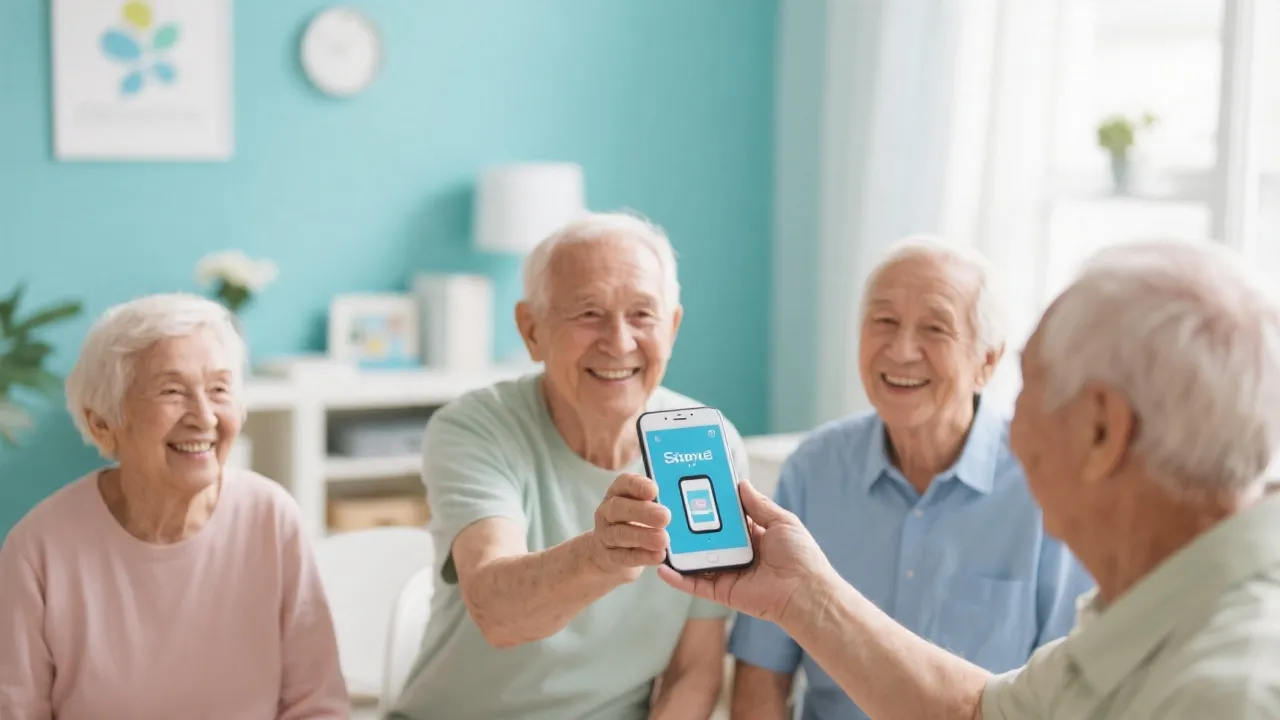
Discover comprehensive programs offering mobile phones at low price to seniors through government initiatives. Mobile connectivity has become indispensable, especially for older adults who rely on it for accessibility, safety, and companionship. This guide navigates the avenues for senior citizens to acquire mobile devices, focusing on government-backed schemes that alleviate communication barriers via specially designed mobile plans.