Search
Discover comprehensive programs offering mobile phones at low price to seniors through government initiatives. Mobile connectivity has become indispensable, especially for older adults who rely on it for accessibility, safety, and companionship. This guide navigates the avenues for senior citizens to acquire mobile devices, focusing on government-backed schemes that alleviate communication barriers via specially designed mobile plans.
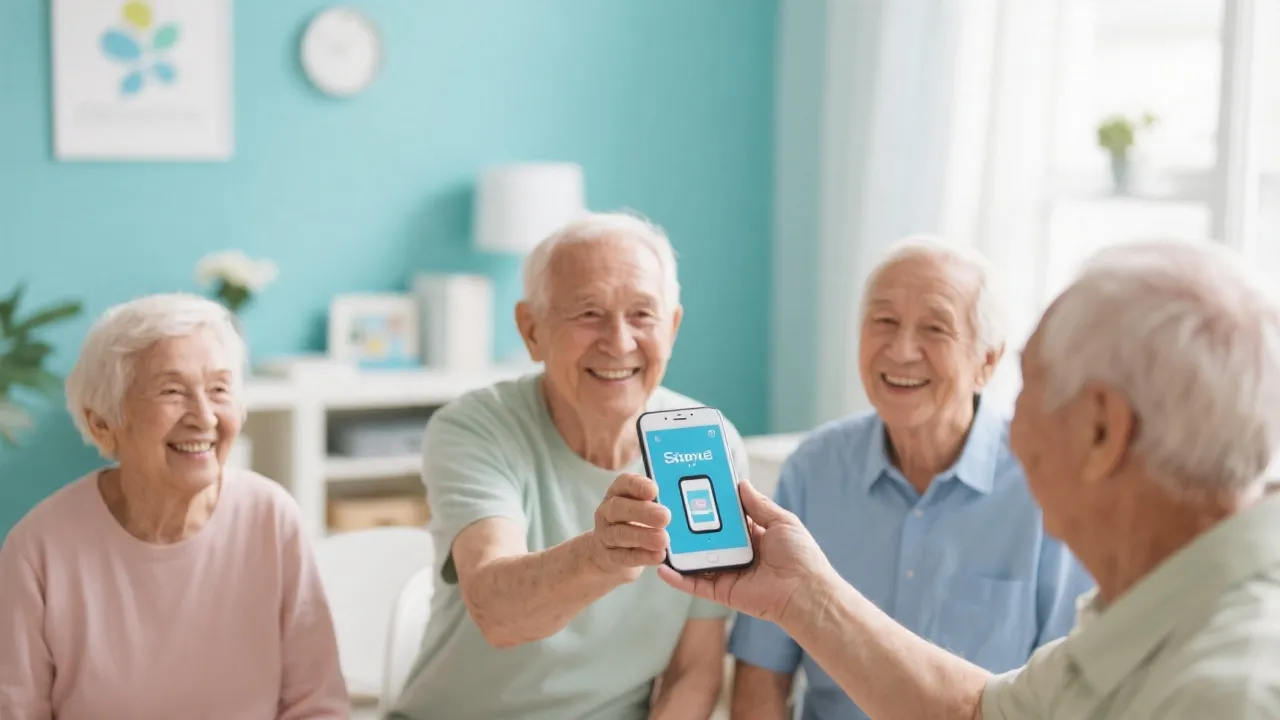
In today's digital age, mobile connectivity isn't merely a luxury but an essential utility, especially for senior citizens. Recognizing the significance of staying connected, various government-supported programs provide mobile phones to eligible seniors, enhancing both their safety and social connections. In an increasingly digital world, mobile phones serve as vital tools, enabling seniors to maintain communication with family and friends, access important services, and seek assistance in emergencies. This connectivity fosters a sense of independence and security among older adults, making mobile phones a critical resource for enhancing their quality of life.
Seniors can benefit immensely from accessible mobile communication technology. These programs aim to support older adults by providing essential technologies at minimized costs, ensuring they can easily engage with family, access healthcare services, and stay informed. Furthermore, smartphones today come equipped with features that are particularly beneficial for seniors, including large buttons, simplified interfaces, and accessibility settings that cater to visual and auditory impairments. Such user-friendly designs help to bridge the gap between technology and seniors, making the transition to mobile connectivity smoother and more intuitive.
Moreover, apart from basic communication functions, many devices now include apps specifically designed for seniors. These applications range from medication reminders to health tracking and even social networking platforms that keep seniors engaged with their communities. The availability of learning resources online further empowers seniors to master the use of their mobile devices, enhancing their confidence and willingness to explore new technologies.
Several providers collaborate with federal assistance programs to offer mobile phones to eligible senior citizens. These providers are Safelink Wireless, Assurance Wireless, StandUp Wireless, Access Wireless, and True Wireless, each offering distinct packages and services tailored for seniors. Understanding the offerings of each provider is crucial for seniors and their families, as it allows them to make informed decisions based on their specific needs, preferences, and geographical availability.
| Provider | Services Included | Optional Costs |
|---|---|---|
| SafeLink Wireless | Smartphone or BYOD option, unlimited text, calls and varying data based on location. | Premium devices or extra data for a fee. |
| Assurance Wireless | Affordable Android, unlimited calls and texts, with data allowances. | Additional high-speed data or global calling options. |
| StandUp Wireless | Smartphone or BYOD choice, unlimited talk and text, plus data plans. | Upgrades to better phones or extra data plan. |
| Access Wireless | Unlimited voice and text with restricted high-speed data, dependent on Lifeline and ACP permissions. | Data boosts and device improvements available at extra cost. |
| True Wireless | Phones supported by government, along with voice and data services. | Better devices or additional data plans available. |
source: SafeLink Wireless, Assurance Wireless, StandUp Wireless, Access Wireless, True Wireless
Eligibility for such beneficial offers typically requires meeting income criteria or active participation in government assistance programs like Medicaid, SNAP, SSI, or residing on Tribal lands. Income must be at or below 135% of the Federal Poverty Guidelines for the Lifeline Program or 200% for the ACP. The framework of these programs not only aims to support low-income families but also addresses the growing need for connectivity among seniors, who may have fixed incomes or limited financial resources.
The application processes for these programs are designed to be user-friendly, recognizing that many seniors may not be as tech-savvy as younger generations. As part of the application, seniors may need to provide documentation demonstrating their eligibility, such as proof of income or proof of participation in government assistance programs. It is advisable for seniors and their families to gather the necessary documentation beforehand to expedite the process.
Additionally, if a senior does not have internet access or is uncomfortable applying online, many providers offer customer support via telephone to assist with the application process. Family members or caregivers can also help guide seniors through the application, ensuring they receive the necessary support to successfully navigate the process.
Beyond just providing mobile devices, many of these providers offer additional services that cater specifically to the needs of seniors. For instance, many plans now include health-related services like telehealth support, which allows seniors to consult with healthcare providers remotely via their mobile phones. This is especially crucial for seniors with mobility issues or those who live in remote areas where access to healthcare can be challenging.
In addition to health services, many providers also include access to emergency services, allowing seniors to contact help swiftly in case of emergencies. Features such as emergency buttons or dedicated hotlines are often included in senior-focused mobile plans. The devices themselves often have built-in features for critical services, ensuring that seniors can feel secure when using their phones.
Q1: What types of phones are available for seniors?
A: Providers offer basic smartphones or allow you to bring your own device. Options vary based on the provider's range and the specific programs available in their locality. Some older adults may prefer basic phones with larger buttons and more straightforward interfaces, while others may benefit from smartphones that include various apps.
Q2: Are there any charges involved?
A: While basic services are subsidized, premium devices and extended data packages may incur additional costs. Additionally, it is crucial for seniors and their families to read the fine print for each provider's offerings, as potential hidden fees can sometimes apply.
Q3: How quickly can seniors receive their phones?
A: It depends on the verification process, which can vary but is generally handled efficiently once all documentation is submitted. Once approved, seniors typically receive their devices in the mail within a few weeks.
Staying connected through mobile technologies significantly impacts seniors’ lives. One of the primary benefits is the ability to maintain relationships with family and friends. Frequent communication can prevent feelings of isolation and loneliness, which are sadly common among seniors. Mobile phones make it easy for them to connect with loved ones via calls, text messages, or video chats, enriching their social interactions.
Furthermore, regular communication can aid in the mental well-being of seniors. Engaging conversations can contribute to cognitive stimulation, combatting issues like mental decline or depression. For instance, seniors who utilize video calling can interact more naturally, observing non-verbal cues that are often missed in text communication. This richer interaction promotes emotional health, providing seniors with a sense of belonging and support.
In addition to facilitating personal connections, mobile phones are invaluable tools for navigating daily tasks. For example, seniors can easily schedule appointments, order groceries, and access transportation services using their smartphones. The convenience of such services empowers seniors, granting them greater autonomy in their day-to-day activities.
While the advantages of mobile connectivity for seniors are numerous, there are challenges that must be considered. One significant barrier is the digital divide; not all seniors are comfortable using modern technology, and those who did not grow up with mobile devices may find the learning curve steep. It is essential for families and caregivers to provide support and education, helping seniors acclimate to smartphones and the internet.
Moreover, concerns about privacy and scams are prevalent among older adults. Unfortunately, seniors are often targets for scams that exploit their lack of experience with technology. Family members should educate seniors on recognizing potential scams and phishing attempts, empowering them to navigate the digital world safely. This includes teaching them about the importance of not sharing personal information over the phone or online without first verifying the legitimacy of the request.
Lastly, the constant influx of technology upgrades and changes can leave seniors feeling overwhelmed. Mobile service providers often release new devices and updates that can alter user interfaces or functionalities. It is vital for providers to offer consistent support and guidance to seniors and ensure that new technologies remain accessible and user-friendly.
In conclusion, these initiatives offer invaluable support, allowing seniors to maintain essential communication channels. Such programs help break down the digital divide, offering practical solutions to stay connected. As the landscape of technology continues to evolve, it is crucial that seniors are not left behind but instead empowered to embrace and leverage these advancements for their benefit.
Government-supported mobile phone programs play a pivotal role in enhancing the lives of senior citizens. By providing affordable options and comprehensive support services, these initiatives ensure that seniors can maintain connections with their communities, access critical health services, and foster their independence. The digital world offers vast opportunities for seniors; unlocking these opportunities can lead to improved quality of life and overall well-being.
As mobile phones become increasingly integral to communication and daily life, continued advocacy for senior-friendly technology and services will be essential. This includes not only making devices more accessible but also fostering environments where seniors can confidently engage with technology. By prioritizing these needs, society can ensure that aging individuals remain connected, informed, and vital members of their communities.
Disclaimer: The above information is extracted from online resources as of October 2023. This website does not guarantee applicants will secure a mobile device under these programs. For detailed application requirements and procedures, refer directly to the provider’s official guidelines as updates may influence availability.
This comprehensive guide delves into how you can obtain an iPhone by signing up for new service plans. Providers offer government-subsidized phone services based on eligibility criteria, influenced by income or participation in aid programs. Learn about various service options and application processes that may lead to landing a new device.
This guide explores options for obtaining iPhones with new plans, highlighting government-supported programs and their offerings. Many service providers present enticing deals, including attractive plans that pair new smartphones with cellular services. Learn more about eligibility criteria, application processes, and the nuances involved in securing these valuable bundles.
In the pursuit of making smartphones more accessible, several government-backed programs have emerged, offering affordable devices and services to eligible individuals. This guide delves into these initiatives, primarily focusing on those offering iPhones as part of new service registrations, shedding light on their eligibility requirements, application procedures, and the benefits they provide. Discover how these options are transforming communication accessibility.
Discover the potential to get a smartphone through new service plans. Companies like SafeLink Wireless, Assurance Wireless, and others offer government-supported phone options to eligible individuals. These programs aim to connect people through essential communication services, often requiring proof of participation in certain assistance programs or income eligibility.
This guide explores opportunities to acquire an iPhone when subscribing to new service plans. It examines the possibility of obtaining a smartphone through specific programs that cater to income-qualified individuals. This article delves into several government-backed initiatives, designed to bridge the digital divide by offering smartphones to individuals who meet specific eligibility requirements.
This guide examines options for obtaining an iPhone with a new service plan. Exploring various phone service providers offers insight into different packages and how eligible consumers might acquire such devices. Through industry expert analysis and a comprehensive table of provider services, this article clarifies opportunities for those seeking advanced devices under specific eligibility criteria.
This guide explores how one can obtain an iPhone through new service plans offered by providers. The opportunity to acquire a phone without upfront expenses can be enticing, especially for those eligible for federal or state programs. The article delves into the details of services, eligibility, and the application process, providing a comprehensive overview of the available options.
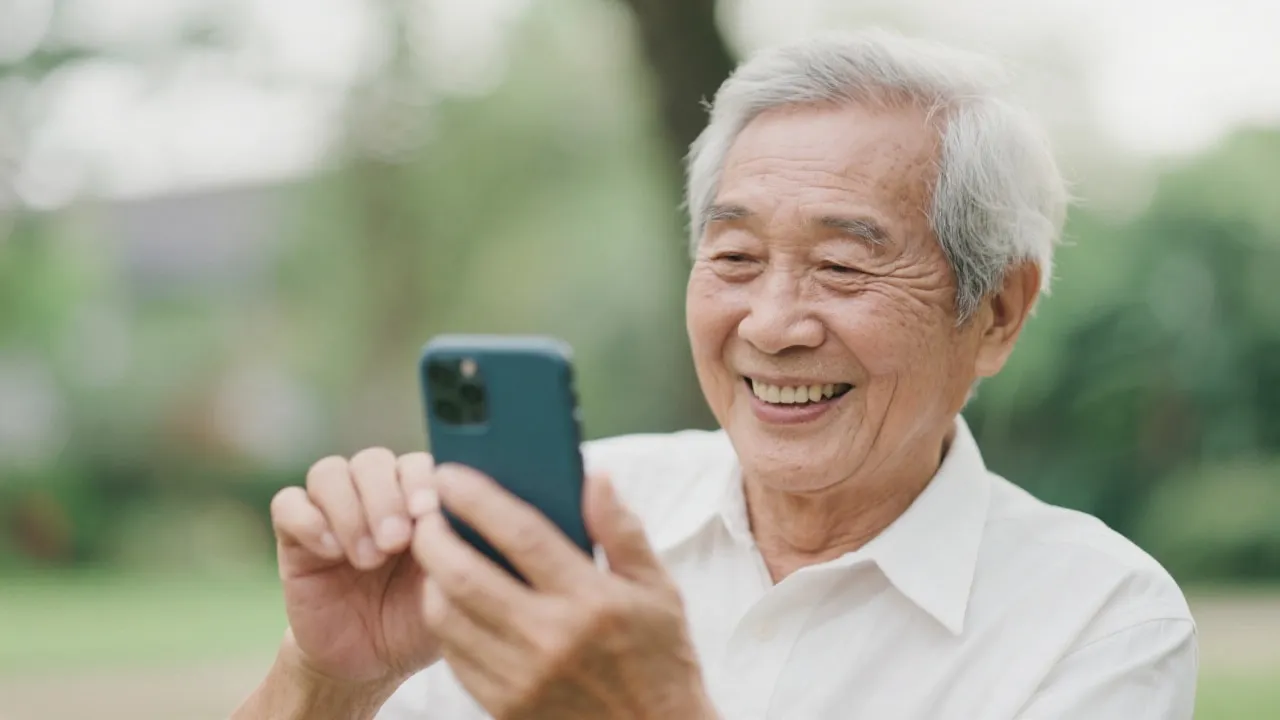
This guide offers comprehensive insights into obtaining phones at low price for seniors through government programs. In contemporary society, the significance of phones for communication cannot be overstated, especially for seniors who rely on these devices to stay connected and safe. Various providers offer such phones, ensuring that every eligible senior can maintain essential communication without undue financial burden.