Search
Discover how programs offer mobile devices through the "Affordable iPhone with New Service" initiative. As smartphones increasingly become essential in daily life, several U.S. government-supported initiatives have emerged to connect low-income households. With various providers offering diverse packages, understanding eligibility and application processes ensures that potential beneficiaries can tap into these opportunities.
In today's digitally driven world, staying connected is vital. Recognizing this, several government-backed initiatives provide mobile devices and services to eligible individuals, often under offerings such as a "Affordable iPhone with New Service." These programs are designed to assist low-income families, helping them maintain communication for work, emergencies, and social integration. The significance of this initiative cannot be overemphasized, especially in times of economic challenges or public health crises, where communication access becomes a fundamental necessity for survival and stability.
A myriad of providers participate in these government-supported programs, each offering unique packages. Here is a concise look at what they provide:
| Provider | Services Included | Additional Costs |
|---|---|---|
| SafeLink Wireless | Options for a complimentary smartphone or BYOD (Bring Your Own Device), unlimited texting, calling, and varied data plans depending on location. | Possible charges for device upgrades or extra data. |
| Assurance Wireless | Comes with an Android device, unlimited talk, text, and allocated data. | Optional charges for extra data and international calls. |
| StandUp Wireless | Offers a surprising cost smartphone or BYOD, as well as unlimited talking, texting, and specific data plans. | Fees apply for better devices or more data. |
| Access Wireless | Unlimited voice and text services with limited high-speed data. | Additional charges for data boosts and device upgrades. |
| True Wireless | Offers a government-supported device, calling, and data services. | Fees for premium devices or extra data plans. |
Applicants must prove eligibility, which generally involves demonstrating a household income below 135% of the Federal Poverty Guidelines for Lifeline or below 200% for the Affordable Connectivity Program (ACP). This requirement underscores the importance of assessing one's financial situation honestly, ensuring that the intended beneficiaries are those who genuinely require the assistance being offered.
Eligibility can also be secured through involvement in government programs such as:
For residents on Tribal lands, additional benefits may apply. These benefits recognize the unique challenges faced by Tribal communities, which often include limited access to essential services, including technology and communication.
Do government programs always offer iPhones? While the term might mention "iPhones," the specific device varies. Many providers offer basic smartphones, often Android models. This discrepancy highlights the financial limitations inherent in the funding model for these assistance programs.
Can I upgrade my device? Many providers allow upgrades, though this typically incurs additional fees. Upgrading might be an essential option for users needing enhanced capabilities, such as a better camera or improved software compatibility.
Are these services genuinely complimentary? The basic service is subsidized, but any upgrades or additional data needs might require extra payments. Always review the terms associated with different service tiers as these can affect long-term costs.
Is my area covered by these services? Eligibility and service availability can depend on state regulations and regional support. Always check the provider’s site for precise information. Each state may have distinct regulations governing these services, affecting the availability of certain providers in your area.
The daunting breadth of digital connectivity can be made easier and more inclusive through government phone assistance programs. These initiatives not only facilitate communication but also empower individuals by providing access to essential services, such as telehealth, job searches, and educational resources online. By understanding the application process and specific service offerings, eligible individuals can successfully bridge the digital divide.
As the world evolves, the importance of remaining connected has only increased. From the rise of remote work to the critical need for communication during emergencies, having access to mobile technology is no longer a luxury but a necessity. Government phone assistance programs play a crucial role in this changing landscape, ensuring that economic barriers do not prevent individuals from accessing necessary communication tools.
The implications of access to mobile communication are profound. For low-income families, having a mobile device can change their daily lives significantly, making opportunities for job searches, education, and healthcare much more accessible. For instance, a single parent with a mobile phone can apply for jobs online while ensuring that they remain reachable for potential interviews or appointments — a crucial factor in securing stable employment.
Furthermore, mobile devices enable parents to monitor their children’s academic progress through school portals, empowering family engagement in their children’s educational journeys. Programs facilitating such access can help in reducing educational disparities often experienced in low-income households.
Moreover, as more services move online, including healthcare through telehealth initiatives, having reliable access to a mobile phone becomes essential for individuals who may struggle to reach physical locations due to transportation issues. These services are particularly important for communities of color, rural populations, and senior citizens, who often experience barriers to access.
Looking forward, ongoing efforts to enhance the scope and accessibility of government phone assistance programs will be necessary. As technology continues to advance, service providers must adapt to meet the needs of their clientele. For example, the ability to access 5G technology, better data plans, and more sophisticated devices will be vital in keeping these programs relevant.
Advocacy for increased funding and awareness of these programs may result in their expansion. Many eligible individuals may still be unaware of such resources, thus outreach initiatives play a pivotal role. Schools, community health organizations, and local governments should collaborate to disseminate information about these programs effectively, ensuring that those in need are made aware of the assistance available to them.
Maintaining eligibility for government assistance can be essential for continued access to services. Regularly checking your income status with regard to the Federal Poverty Guidelines, understanding renewal processes, and keeping documentation updated are vital steps in this aspect. It is also advisable to stay informed about changes to government policies that may affect program funding or eligibility criteria.
Some providers may contact beneficiaries periodically to confirm their eligibility. Ensuring that your contact information remains current with your service provider can prevent potential disruptions in service. If there are changes in your financial situation, promptly informing the provider can avoid complications down the line.
If you or someone you know might benefit from these services, various resources can help. The National Lifeline Accountability Database is an excellent starting point to find providers in your area. Additionally, local community centers, social service organizations, and libraries can offer assistance with the application process.
Some online resources also provide guidance on how to optimize benefits, from tips on understanding the intricacies of device management to navigating data usage efficiently, thus enhancing overall user experience and service satisfaction.
Access to mobile communication is a bridge to a more equitable society. By utilizing government phone assistance programs, eligible individuals can gain essential skills and connectivity that empower them economically and socially. It is crucial for communities to advocate for, support, and expand these initiatives, allowing all individuals, regardless of income, to participate fully in our increasingly connected world.
For further details, references include:
Source: SafeLink Wireless, Assurance Wireless, StandUp Wireless, Access Wireless, True Wireless
Disclaimer: The above information comes from online resources, and the data is as of October 2023. This website cannot guarantee that applicants will definitely get a government-supported phone. For specific application requirements and how to apply, please refer to the official providers. Note that this article will not receive real-time updates.
This comprehensive guide delves into how you can obtain an iPhone by signing up for new service plans. Providers offer government-subsidized phone services based on eligibility criteria, influenced by income or participation in aid programs. Learn about various service options and application processes that may lead to landing a new device.
This guide explores options for obtaining iPhones with new plans, highlighting government-supported programs and their offerings. Many service providers present enticing deals, including attractive plans that pair new smartphones with cellular services. Learn more about eligibility criteria, application processes, and the nuances involved in securing these valuable bundles.
In the pursuit of making smartphones more accessible, several government-backed programs have emerged, offering affordable devices and services to eligible individuals. This guide delves into these initiatives, primarily focusing on those offering iPhones as part of new service registrations, shedding light on their eligibility requirements, application procedures, and the benefits they provide. Discover how these options are transforming communication accessibility.
Discover the potential to get a smartphone through new service plans. Companies like SafeLink Wireless, Assurance Wireless, and others offer government-supported phone options to eligible individuals. These programs aim to connect people through essential communication services, often requiring proof of participation in certain assistance programs or income eligibility.
This guide explores opportunities to acquire an iPhone when subscribing to new service plans. It examines the possibility of obtaining a smartphone through specific programs that cater to income-qualified individuals. This article delves into several government-backed initiatives, designed to bridge the digital divide by offering smartphones to individuals who meet specific eligibility requirements.
This guide examines options for obtaining an iPhone with a new service plan. Exploring various phone service providers offers insight into different packages and how eligible consumers might acquire such devices. Through industry expert analysis and a comprehensive table of provider services, this article clarifies opportunities for those seeking advanced devices under specific eligibility criteria.

This guide explores how one can obtain an iPhone through new service plans offered by providers. The opportunity to acquire a phone without upfront expenses can be enticing, especially for those eligible for federal or state programs. The article delves into the details of services, eligibility, and the application process, providing a comprehensive overview of the available options.
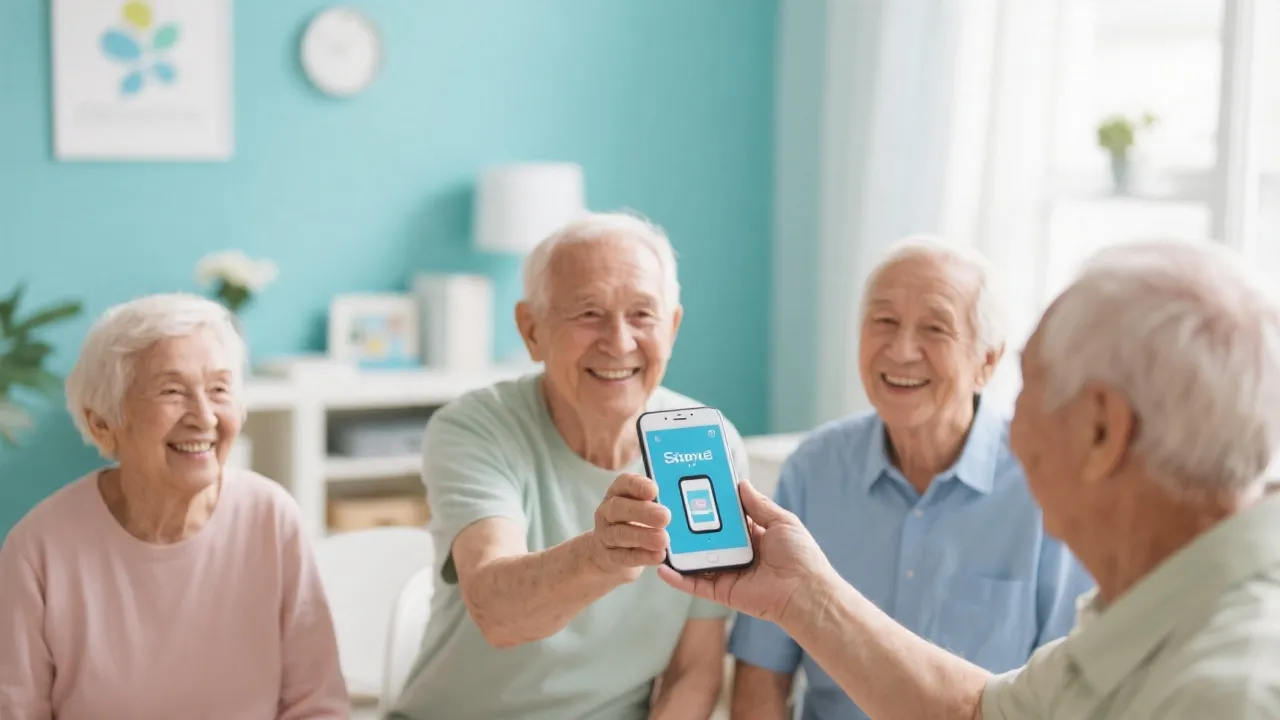
Discover comprehensive programs offering mobile phones at low price to seniors through government initiatives. Mobile connectivity has become indispensable, especially for older adults who rely on it for accessibility, safety, and companionship. This guide navigates the avenues for senior citizens to acquire mobile devices, focusing on government-backed schemes that alleviate communication barriers via specially designed mobile plans.