Search
This article explores different ways to obtain a surprising cost iPhone with new service plans. Companies like SafeLink Wireless, Assurance Wireless, and others collaborate with governmental programs, enabling eligible individuals to secure smartphones. Whether you are looking for upgrades or want to know the application process, this guide offers clear insights and steps to evaluate eligibility criteria for these programs.
The aspiration to snag an iPhone without upfront charges has become more accessible thanks to various service providers partnering with government programs. These partnerships primarily serve low-income households, ensuring widespread internet access and communication services. With the ever-evolving digital landscape, having a reliable smartphone has transitioned from a luxury to a necessity. Communication tools like smartphones allow individuals to stay connected with family, access vital resources online, and participate in the digital economy.
To secure an iPhone via these programs, it is essential to understand the eligibility and application procedures. Here’s a breakdown of the major providers, which illustrates how these initiatives come to life:
| Provider | Services Included | Additional Package Costs |
|---|---|---|
| SafeLink Wireless | Affordable smartphone, unlimited text, calls, and variable data plans. | Premium device upgrades and extra data attract charges. |
| Assurance Wireless | Affordable Android smartphone, unlimited talk and text, data allowances. | High-speed data or international calls can be bought as upgrades. |
| StandUp Wireless | Affordable smartphone or BYOD, unlimited talk, text, and data plans. | Fees apply for premium phone or extra data. |
| Access Wireless | Unlimited voice, text, limited high-speed data with lifeline and ACP benefits. | Data boosts and device upgrades incur fees. |
| True Wireless | Affordable government-supported phones with voice and data plans. | Optional upgrades to better devices or additional data plans. |
In today's market, the landscape of smartphones is driven by user needs and a growing demand for connectivity. These providers are meeting that demand head-on while ensuring affordability is maintained for those who need it most. Sources: SafeLink Wireless, Assurance Wireless, StandUp Wireless, Access Wireless, True Wireless
Each provider has slightly different requirements, but general eligibility includes:
Applying is straightforward but requires documentation:
Once the application is submitted, there may be additional verification steps. It's crucial to keep track of the application status by frequently checking your email or SMS for updates from the provider. The entire process could take anywhere from a few days to several weeks, depending on the specific guidelines of each provider and the volume of applications they are processing at the time.
Q: Can anyone apply for these affordable iPhone offers?
A: Eligibility is primarily based on income levels or participation in recognized government aid programs.
Q: Is the phone entirely affordable with these services?
A: While the phone and basic services might be without cost, premium upgrades and additional data services might require payment. It’s important to read through each provider's offerings to comprehend costs fully.
Q: How long does the application process take?
A: The completion time varies depending on the provider and the accuracy of submitted documentation. Some users report receiving their devices as quickly as two weeks, while others may wait over a month.
Q: Can I switch providers once I receive my phone?
A: Generally, no. Government-subsidized plans like Lifeline and ACP are non-transferable, and switching providers often requires a new application.
In a society where digital access is fundamental, the importance of affordable smartphones cannot be understated. For individuals in low-income households, having a smartphone opens doors that might otherwise remain closed. With features that facilitate online banking, educational opportunities through remote learning, and job hunting, a smartphone is a gateway to improving one's quality of life.
Moreover, communication is vital during emergencies. Having a reliable device allows individuals to stay connected with family and friends during critical times, ensuring health and safety. Various platforms and apps enable users to access support services, thus fostering a sense of community and belonging.
Government initiatives aimed at providing affordable smartphones have shown tremendous potential in narrowing the digital divide that affects many marginalized communities. Programs like Lifeline and the Affordable Connectivity Program (ACP) actively seek to give low-income families the means to participate in the digital age fully.
Historically, such programs have evolved from simple landline discounts to comprehensive smartphone and data plans. These changes reflect a recognition that access to technology must include not only adequate service but also access to devices that enable users to interact effectively with the digital world.
Importantly, these programs empower users by including substantial benefits for households participating in federal assistance programs. This dual approach of providing both service and access to devices helps uplift families by delivering greater control over their communication options and educational resources.
Despite the many opportunities offered by affordable smartphones, there are still challenges that prospective users need to consider. One significant challenge is the reliability and quality of service provided under these programs. Some users report that while basic call and text services are adequate, data speeds may be slow, and coverage can be inconsistent compared to traditional paid plans.
Additionally, the availability of premium devices can be limited. While brands like iPhone are often sought after for their design, functionality, and durability, many of the providers primarily offer Android devices. This limitation can lead to dissatisfaction among those who specifically desire an iPhone experience. However, users still have the option to bring their own devices (BYOD) with compatible plans, which can provide flexibility.
Many individuals who have accessed affordable smartphones through these programs share positive experiences. From students to job seekers, the stories are inspiring. For example, one user reported that having a smartphone enabled them to apply for jobs online and schedule interviews more effectively, resulting in a new job that significantly improved their financial situation.
Another user highlighted the advantages of connecting with their children's school. With a smartphone, they could communicate with teachers, access homework information, and stay updated on school events. The connections fostered through these communications have built a stronger support network for their family.
Such personal accounts underline the need for these services and how critical they are for community upliftment. As users continue to benefit from these opportunities, there is a hopeful narrative unfolding around the potential of accessible technology.
Acquiring a smartphone under these service plans involves understanding specific eligibility requirements and following detailed application procedures. This initiative ensures broader access to communication channels, particularly for those in lower-income brackets. Furthermore, as technology continues to evolve, it is essential for both users and providers to work together to find solutions that address the ongoing challenges surrounding access to quality service and devices.
As the landscape of mobile technology grows, the commitment to providing affordable access for all will remain paramount. By enabling individuals to connect, learn, and thrive in the digital era, these programs play a vital role in bridging gaps across socioeconomic divides, ensuring that everyone has a place in a technology-driven world.
Disclaimer: The above information stems from online resources, up-to-date as of October 2023. There is no assurance of obtaining a government-provided phone through this platform; refer to providers' official requirements for precise application details. These resources are not updated continuously.
Reference Links:
This comprehensive guide delves into how you can obtain an iPhone by signing up for new service plans. Providers offer government-subsidized phone services based on eligibility criteria, influenced by income or participation in aid programs. Learn about various service options and application processes that may lead to landing a new device.
This guide explores options for obtaining iPhones with new plans, highlighting government-supported programs and their offerings. Many service providers present enticing deals, including attractive plans that pair new smartphones with cellular services. Learn more about eligibility criteria, application processes, and the nuances involved in securing these valuable bundles.
In the pursuit of making smartphones more accessible, several government-backed programs have emerged, offering affordable devices and services to eligible individuals. This guide delves into these initiatives, primarily focusing on those offering iPhones as part of new service registrations, shedding light on their eligibility requirements, application procedures, and the benefits they provide. Discover how these options are transforming communication accessibility.
Discover the potential to get a smartphone through new service plans. Companies like SafeLink Wireless, Assurance Wireless, and others offer government-supported phone options to eligible individuals. These programs aim to connect people through essential communication services, often requiring proof of participation in certain assistance programs or income eligibility.
This guide explores opportunities to acquire an iPhone when subscribing to new service plans. It examines the possibility of obtaining a smartphone through specific programs that cater to income-qualified individuals. This article delves into several government-backed initiatives, designed to bridge the digital divide by offering smartphones to individuals who meet specific eligibility requirements.
This guide examines options for obtaining an iPhone with a new service plan. Exploring various phone service providers offers insight into different packages and how eligible consumers might acquire such devices. Through industry expert analysis and a comprehensive table of provider services, this article clarifies opportunities for those seeking advanced devices under specific eligibility criteria.

This guide explores how one can obtain an iPhone through new service plans offered by providers. The opportunity to acquire a phone without upfront expenses can be enticing, especially for those eligible for federal or state programs. The article delves into the details of services, eligibility, and the application process, providing a comprehensive overview of the available options.
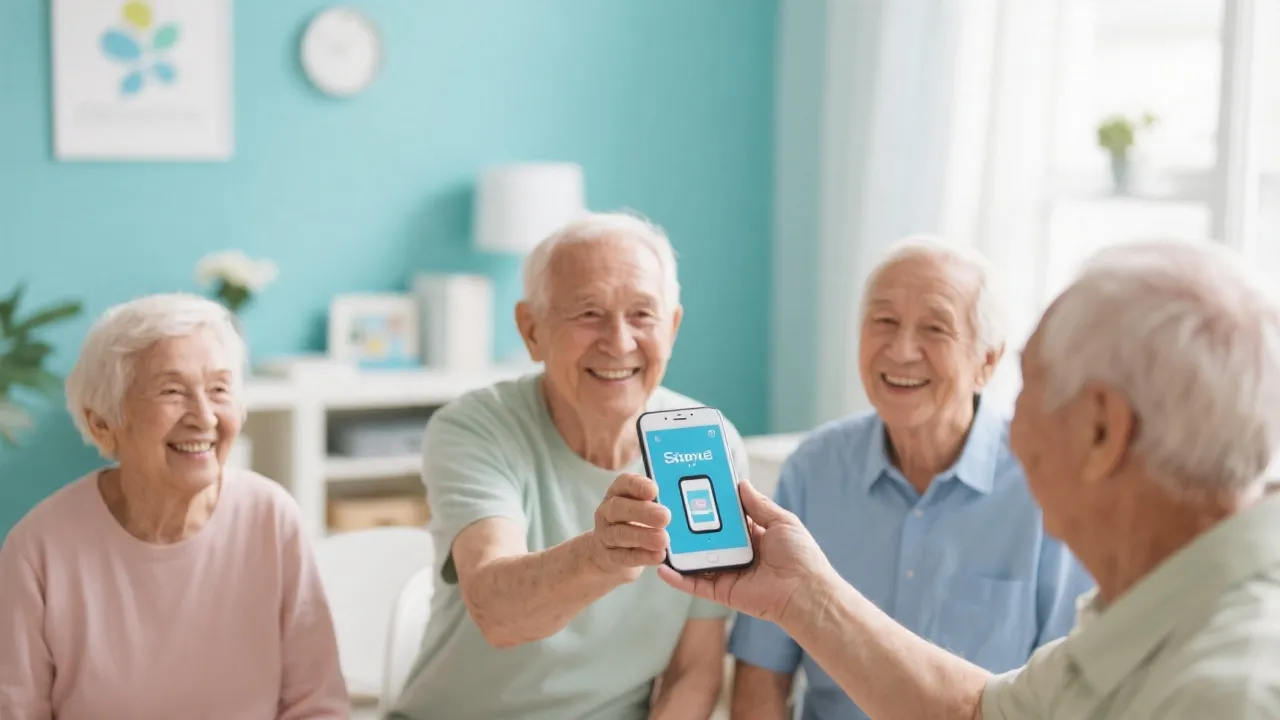
Discover comprehensive programs offering mobile phones at low price to seniors through government initiatives. Mobile connectivity has become indispensable, especially for older adults who rely on it for accessibility, safety, and companionship. This guide navigates the avenues for senior citizens to acquire mobile devices, focusing on government-backed schemes that alleviate communication barriers via specially designed mobile plans.