Search
This guide explores opportunities for seniors to acquire complimentary smartphones through government programs. Seniors often face challenges in staying connected without up-to-date devices. These programs aim to bridge that gap by providing necessary communication tools. The article outlines various providers, their offerings, eligibility criteria, and application procedures, presenting a comprehensive overview of options available to seniors.

In today's digital age, maintaining connectivity is crucial, especially for seniors who rely on smartphones to stay in touch with family, access healthcare services, and ensure their safety. However, the cost of acquiring and maintaining smartphone services can be a barrier for many. Fortunately, various government-supported programs are available to help seniors overcome this challenge by providing complimentary smartphones and affordable service plans. As technology rapidly evolves, many seniors find themselves in a position where they not only need phones for making calls but also require them for accessing online resources, managing health records, and utilizing emergency services. This emphasis on communication accessibility can bridge the generational gap, enabling seniors to engage more fully with their loved ones and communities.
The government has established programs like Lifeline Assistance and the Affordable Connectivity Program (ACP) to aid low-income individuals and families in accessing vital communication services. Through these programs, eligible seniors can receive smartphones along with essential voice and data services. Participation in these programs typically requires meeting certain income guidelines or being part of specified assistance programs like Medicaid and SNAP. The Lifeline program, specifically, was designed to provide assistance to low-income households, ensuring that access to necessary communication is a right rather than a privilege. The ACP builds on this foundation by expanding broadband internet access, which is increasingly necessary for participating in remote healthcare services and online communication platforms.
Several providers participate in these government initiatives, offering varied services. Here are some notable ones:
| Provider | Included Services | Additional Costs |
|---|---|---|
| SafeLink Wireless | Smartphone, unlimited text, calls, and data (varies by plan and state) | Device upgrades or extra data |
| Assurance Wireless | Android smartphone, unlimited talk, and text, data allowances | High-speed data, international calls |
| StandUp Wireless | Smartphone or BYOD options, talk and text, data plans | Premium devices, additional data |
| Access Wireless | Unlimited voice, text, limited high-speed data | Data boosts, device upgrades |
| True Wireless | Government-supported phones, voice, and data plans | Device upgrades, additional data |
These providers offer varying services that cater to the diverse needs of seniors. For example, while SafeLink Wireless provides unlimited text and calls, it is essential to evaluate the data offered, as it greatly impacts how well seniors can utilize internet services, especially for applications such as telemedicine, where video calls to healthcare professionals have become increasingly common. Assurance Wireless not only provides smartphones but also puts a special emphasis on accessibility features within its devices, ensuring that even seniors adept at using technology can navigate their smartphones with ease.
Applying for these services involves some basic steps, which generally include an online application and submission of documents to verify eligibility. The criteria typically involve either meeting income guidelines (set at or below 135% of the federal poverty line for Lifeline and 200% for ACP) or being part of government programs like:
Notably, those residing on Tribal lands may qualify for enhanced benefits. The application process itself is designed to be straightforward, aiming to eliminate any complications that could deter seniors or their advocates from applying. This includes having options for completing applications over the phone or in-person at certain community centers, where assistance can be provided for those who may not be comfortable navigating online applications.
The process to obtain a government-supported phone is generally streamlined:
As a note, ensuring that all documentation is accurate and submitted in a timely manner can expedite the application process. Patience and follow-ups are crucial, as sometimes additional information may be required.
The transition to using a smartphone can be somewhat daunting for some seniors, especially if they are used to traditional flip phones or have minimal experience with digital devices. Sharing resources and tutorials can significantly help seniors become more comfortable with technology. Many providers offer educational materials or workshops designed to help seniors familiarize themselves with smartphone functions, apps for health management, and safe internet practices.
When selecting a phone or plan, consider features that enhance usability for seniors:
Upgrading plans for features such as higher data allowances can also benefit seniors, particularly for those wanting to explore apps that help them stay active, manage chronic conditions, or connect with healthcare professionals through telehealth services.
Generally, individuals who meet specific income guidelines or participate in certain government assistance programs are eligible. In some states, the criteria may even be more lenient, allowing a wider range of individuals to qualify.
Yes, many providers offer upgrades for a fee, allowing customers to select premium devices or additional services. Seniors should review their needs and choose the plan that best fits their lifestyle and technology usage.
The time frame can vary, but once documents are submitted, applicants typically receive a response within a few weeks. Understanding this timeline is valuable, especially for those who may need immediate assistance for healthcare or communication needs.
While the base service is free for qualifying individuals, some providers may charge for certain premium features, plan upgrades, or international calls. It's vital for seniors to fully comprehend the terms of their service plans upfront to avoid unexpected costs.
The information provided above is sourced from online resources and is accurate as of October 2023. This website does not guarantee applicants will receive a government-supported phone, and it is advisable to refer to the respective provider's official guidelines for the very up-to-date information. It is also recommended that potential applicants seek clarification directly from providers if there are any uncertainties about the program requirements or features offered.
For seniors, maintaining connectivity via a smartphone is more than a luxury—it's a lifeline. The government and its partner programs have made significant strides toward ensuring that financial constraints do not result in communication barriers. Understanding the available options, eligibility requirements, and application process is essential to accessing these valuable resources. Additionally, engaging with technology can enhance overall quality of life for seniors, enabling them to remain independent, informed, and connected within their communities and families.
To further assist seniors and their caregivers in navigating the landscape of affordable phone programs, here are some educational resources and community organizations that focus on technology literacy for older adults:
These resources serve as an excellent starting point not only for acquiring affordable phones but also for fostering better technology engagement among seniors. In conclusion, it’s essential for our aging population to receive the support and education necessary to thrive in this digital world, capitalizing on technology to enhance their lives.
This comprehensive guide delves into how you can obtain an iPhone by signing up for new service plans. Providers offer government-subsidized phone services based on eligibility criteria, influenced by income or participation in aid programs. Learn about various service options and application processes that may lead to landing a new device.
This guide explores options for obtaining iPhones with new plans, highlighting government-supported programs and their offerings. Many service providers present enticing deals, including attractive plans that pair new smartphones with cellular services. Learn more about eligibility criteria, application processes, and the nuances involved in securing these valuable bundles.
In the pursuit of making smartphones more accessible, several government-backed programs have emerged, offering affordable devices and services to eligible individuals. This guide delves into these initiatives, primarily focusing on those offering iPhones as part of new service registrations, shedding light on their eligibility requirements, application procedures, and the benefits they provide. Discover how these options are transforming communication accessibility.
Discover the potential to get a smartphone through new service plans. Companies like SafeLink Wireless, Assurance Wireless, and others offer government-supported phone options to eligible individuals. These programs aim to connect people through essential communication services, often requiring proof of participation in certain assistance programs or income eligibility.
This guide explores opportunities to acquire an iPhone when subscribing to new service plans. It examines the possibility of obtaining a smartphone through specific programs that cater to income-qualified individuals. This article delves into several government-backed initiatives, designed to bridge the digital divide by offering smartphones to individuals who meet specific eligibility requirements.
This guide examines options for obtaining an iPhone with a new service plan. Exploring various phone service providers offers insight into different packages and how eligible consumers might acquire such devices. Through industry expert analysis and a comprehensive table of provider services, this article clarifies opportunities for those seeking advanced devices under specific eligibility criteria.

This guide explores how one can obtain an iPhone through new service plans offered by providers. The opportunity to acquire a phone without upfront expenses can be enticing, especially for those eligible for federal or state programs. The article delves into the details of services, eligibility, and the application process, providing a comprehensive overview of the available options.
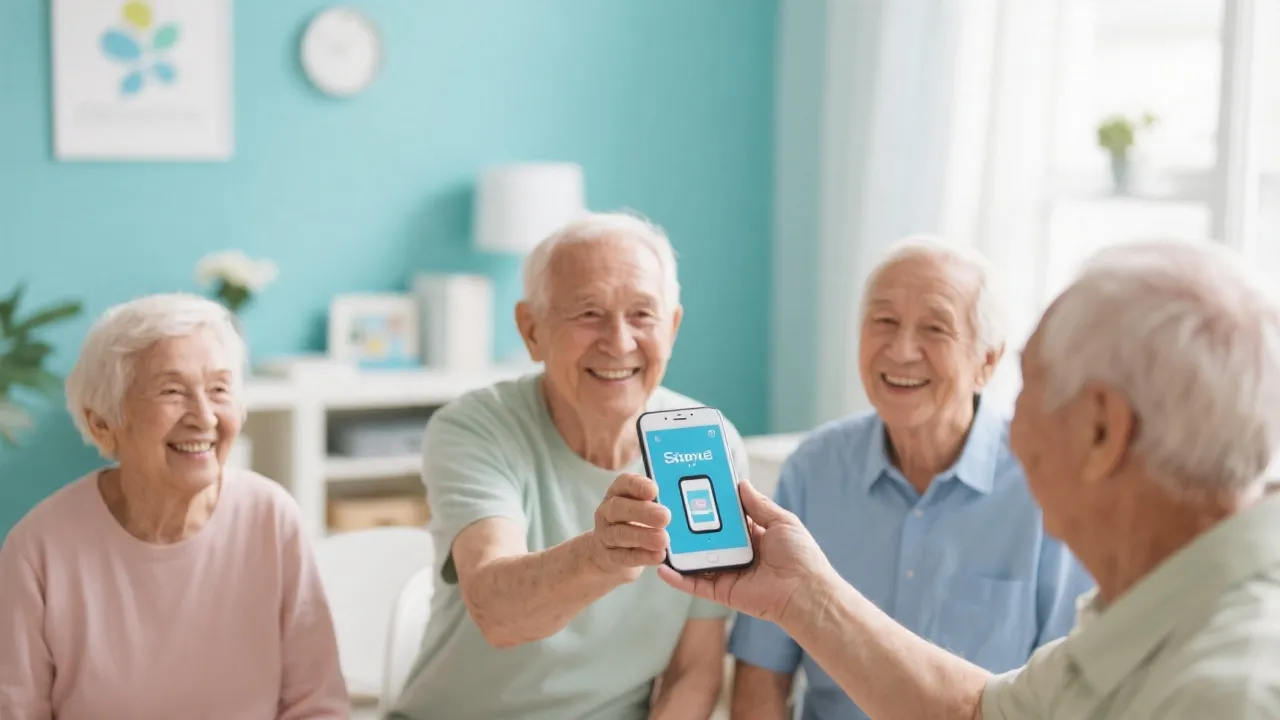
Discover comprehensive programs offering mobile phones at low price to seniors through government initiatives. Mobile connectivity has become indispensable, especially for older adults who rely on it for accessibility, safety, and companionship. This guide navigates the avenues for senior citizens to acquire mobile devices, focusing on government-backed schemes that alleviate communication barriers via specially designed mobile plans.