Search
This guide offers comprehensive insights into obtaining phones at low price for seniors through government programs. In contemporary society, the significance of phones for communication cannot be overstated, especially for seniors who rely on these devices to stay connected and safe. Various providers offer such phones, ensuring that every eligible senior can maintain essential communication without undue financial burden.
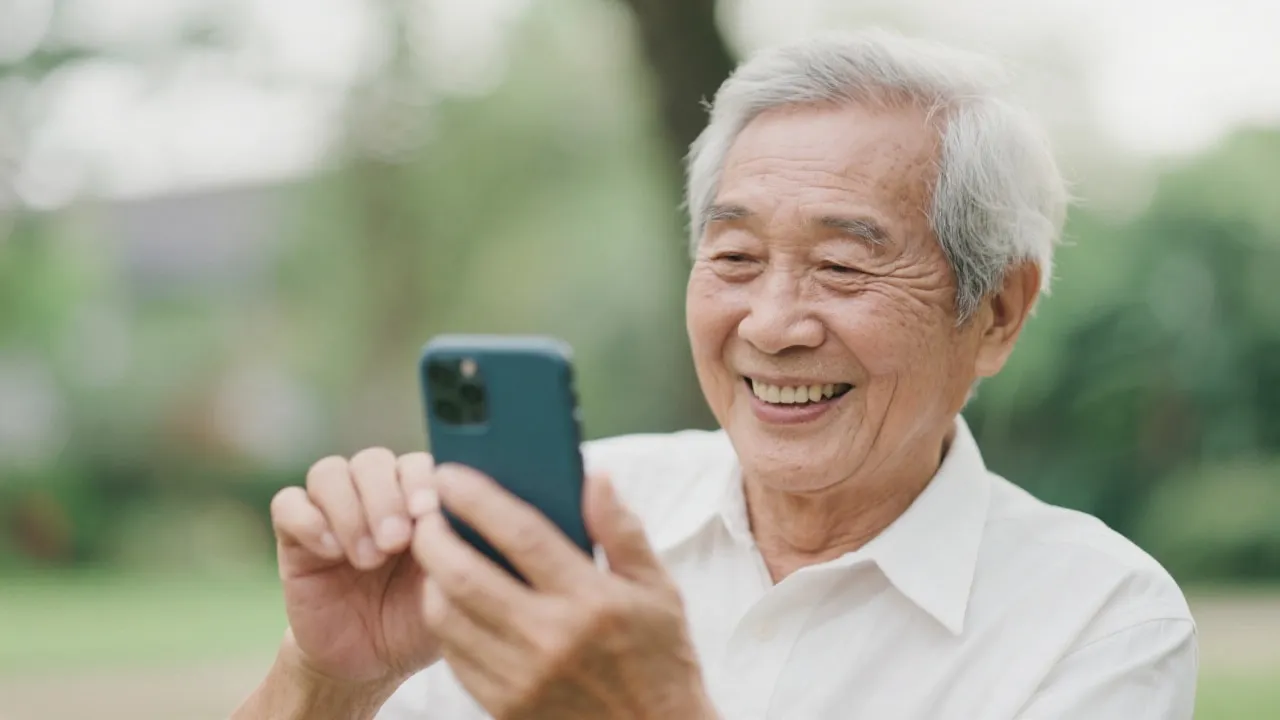
In today's digital age, maintaining seamless communication is essential, particularly for seniors. Phones have evolved from mere communication tools to devices that allow for constant connectivity to family, emergency services, and essential resources. As the world becomes more reliant on technology, having access to a smartphone can greatly enhance a senior's quality of life. It can help them stay connected to loved ones, access essential health information, and in emergencies, quickly reach out for help. Seniors often face financial constraints, making the acquisition of modern phones challenging. Fortunately, several programs are in place, offering phones at low prices to eligible seniors, thus empowering this demographic with invaluable connectivity solutions.
The importance of staying connected cannot be understated. With advancements in technology, smartphones have transformed into all-in-one devices that incorporate various functionalities. Beyond voice communication, seniors can utilize applications for video calls, healthcare management, and even social networking, which can combat feelings of isolation that some may experience. The implementation of these programs serves not just to provide phones but to enhance the overall well-being of seniors by encouraging more active engagement with the world around them.
Various service providers cooperate with government programs to offer these accessible phone plans to eligible seniors. Each provider has unique offerings and qualifying criteria, which I'll examine in detail. Understanding these details can help seniors choose the right plan that meets their specific communication needs.
| Provider | Services Included | Additional Costs |
|---|---|---|
| SafeLink Wireless | Smartphone, unlimited text, calls, data (plan-specific) | Premium device upgrades and additional data |
| Assurance Wireless | Android smartphone, unlimited talk/text, data | Extra high-speed data and international calling |
| StandUp Wireless | Smartphone, unlimited talk/text, data plans | Premium phone upgrades and extra data |
| Access Wireless | Unlimited voice/text, limited high-speed data | Data boosts and device upgrades |
| True Wireless | Phones, voice, and data plans supported by the government | Device upgrades and additional data plans |
Links to provider websites for further information:
Qualifying for these programs often hinges upon income levels or participation in government aid programs such as Medicaid, SNAP, SSI, or FPHA. These requirements are in place to ensure that those who need assistance the most can receive it. Seniors residing on Tribal lands may receive additional benefits, which can offer them further support and resources. To navigate eligibility, one must generally demonstrate earnings at or below 135% of the federal poverty guidelines for the Lifeline program and up to 200% for the Affordable Connectivity Program (ACP).
The following tips may help streamline the application process:
How do I know if I qualify for a phone program? Eligibility often depends on income levels or participation in certain government programs like SNAP or Medicaid. Specific guidelines can be found on each provider's website. Additionally, talking to a representative can clarify eligibility questions.
Are there costs involved in obtaining these phones? While the basic phone and service plans come at low prices, some providers charge for premium device upgrades or additional data beyond the plan offerings. It’s crucial to review each provider's details to understand any extra costs that may arise.
What happens if my application is not approved? If an application does not meet the criteria, individuals may reapply after reviewing guidelines and ensuring all information provided is accurate. Additionally, it's advisable to contact customer service for feedback on why the application was denied to improve future attempts.
Can I switch providers if I am unhappy with my current service? Yes. Seniors can switch providers if they find better services or plans that suit their needs more adequately. It's essential to terminate the current service according to the provider's policies and ensure no penalties are incurred.
Is there assistance available for seniors who are not tech-savvy? Many service providers offer customer support specifically designed to help seniors understand their devices and services. Additionally, community organizations and local libraries often provide free workshops or classes that teach technology basics tailored for older adults.
While government programs and providers offer essential services tailored for seniors, some challenges can arise during the process of obtaining and using mobile devices. Addressing these challenges proactively is vital for ensuring seniors can maximize their usage of these resources.
Seniors may encounter difficulties with modern smartphones’ advanced features or navigation. To overcome this, providers often offer dedicated customer service tailored to older adults. Furthermore, many community centers offer classes focused on smartphone proficiency, covering essential topics such as setting up emergency contacts, downloading applications, and utilizing communication features effectively.
Although some services are offered at little to no cost, seniors may still face expenses related to phone accessories, internet access, or app purchases. Programs assisting with internet access through government subsidies can alleviate some of these concerns. Additionally, community organizations might offer solutions, such as providing free internet access at local facilities to enable seniors to utilize their devices effectively.
Some seniors may feel uncomfortable using technology due to a lack of exposure or fear of making mistakes. Offering peer support groups in the community can help foster a comfortable learning environment. Such groups facilitate learning through shared experiences and promote confidence among seniors in utilizing technology.
The availability of affordable phones for seniors extends beyond simple communication. The impact of these devices affects various dimensions of seniors' lives, including social, physical, and mental well-being.
Staying connected with family and friends is crucial for mental health. Regular interaction helps reduce feelings of loneliness and isolation, prevalent among older adults. Tools such as video calling, social media, and group chats allow seniors to actively engage with their loved ones even if they are miles apart.
Smartphones can be integral in managing health, especially for seniors with chronic conditions. Many health-related applications help track medications, schedule doctor appointments, and monitor vital signs. In the event of a health emergency, smartphones facilitate quick access to emergency contact numbers and services.
The internet is a gateway to a plethora of information and services. Seniors can utilize their devices to access news, engage in online learning, or even shop from home, thus enhancing their autonomy. Through various applications designed for seniors, such as meal delivery services and product comparisons, they can make informed choices that simplify their daily lives.
As technology continues to advance, newer features and trends emerge that can significantly enhance the experience of seniors using these devices. Staying informed about trends can empower seniors to leverage technology fully.
Manufacturers are increasingly designing phones with simplified user interfaces to cater to older adults. These innovations focus on larger icon sizes, simplified menus, and voice recognition capabilities which can cater to the diminished vision or dexterity that may accompany aging. Devices that automatically adjust settings for ease-of-use help ensure seniors can utilize their phones without additional frustration.
With the rise of health technology, smartphones are increasingly equipped with features that track health metrics like heart rate, sleep patterns, and physical activity. Such features are crucial for seniors managing chronic illnesses, providing real-time data that can be shared with healthcare providers during appointments, enabling more informed decisions regarding their health.
Innovative features such as one-touch emergency dialing provide added security for seniors. Many smartphones allow for a quick call to emergency services, or to designated contacts, ensuring that help is just seconds away. Furthermore, some devices include location tracking, which can assist first responders in locating seniors quickly during emergencies without requiring the user to provide detailed information during a crisis.
Smartphones can also connect with smart home devices, offering seniors the ability to control their environmental systems, such as lights, locks, and thermostats. This can significantly enhance mobility and independence, as seniors can adjust their living conditions through their phones without the need to physically move about their homes.
Accessing phones through government programs empowers seniors with essential communication tools, enhancing safety and connectivity. With multiple service providers available, eligible seniors can find plans to suit their unique needs. It is crucial to remain informed about the latest developments and available resources to help seniors adapt to rapidly changing technologies. The empowered ability to communicate effectively, access critical resources, and manage health represents a positive shift in how seniors can integrate into the digital landscape, ensuring they remain connected and supported as they age.
The information provided herein stems from online resources, current as of October 2023. This guide cannot ensure that all applicants will receive phones; specific eligibility requirements and application processes should be verified through official provider sources, as this guide will not be updated in real-time. As technology and resources continue to evolve, staying informed through reputable channels is the best approach for seniors seeking assistance.
This comprehensive guide delves into how you can obtain an iPhone by signing up for new service plans. Providers offer government-subsidized phone services based on eligibility criteria, influenced by income or participation in aid programs. Learn about various service options and application processes that may lead to landing a new device.
This guide explores options for obtaining iPhones with new plans, highlighting government-supported programs and their offerings. Many service providers present enticing deals, including attractive plans that pair new smartphones with cellular services. Learn more about eligibility criteria, application processes, and the nuances involved in securing these valuable bundles.
In the pursuit of making smartphones more accessible, several government-backed programs have emerged, offering affordable devices and services to eligible individuals. This guide delves into these initiatives, primarily focusing on those offering iPhones as part of new service registrations, shedding light on their eligibility requirements, application procedures, and the benefits they provide. Discover how these options are transforming communication accessibility.
Discover the potential to get a smartphone through new service plans. Companies like SafeLink Wireless, Assurance Wireless, and others offer government-supported phone options to eligible individuals. These programs aim to connect people through essential communication services, often requiring proof of participation in certain assistance programs or income eligibility.
This guide explores opportunities to acquire an iPhone when subscribing to new service plans. It examines the possibility of obtaining a smartphone through specific programs that cater to income-qualified individuals. This article delves into several government-backed initiatives, designed to bridge the digital divide by offering smartphones to individuals who meet specific eligibility requirements.
This guide examines options for obtaining an iPhone with a new service plan. Exploring various phone service providers offers insight into different packages and how eligible consumers might acquire such devices. Through industry expert analysis and a comprehensive table of provider services, this article clarifies opportunities for those seeking advanced devices under specific eligibility criteria.

This guide explores how one can obtain an iPhone through new service plans offered by providers. The opportunity to acquire a phone without upfront expenses can be enticing, especially for those eligible for federal or state programs. The article delves into the details of services, eligibility, and the application process, providing a comprehensive overview of the available options.
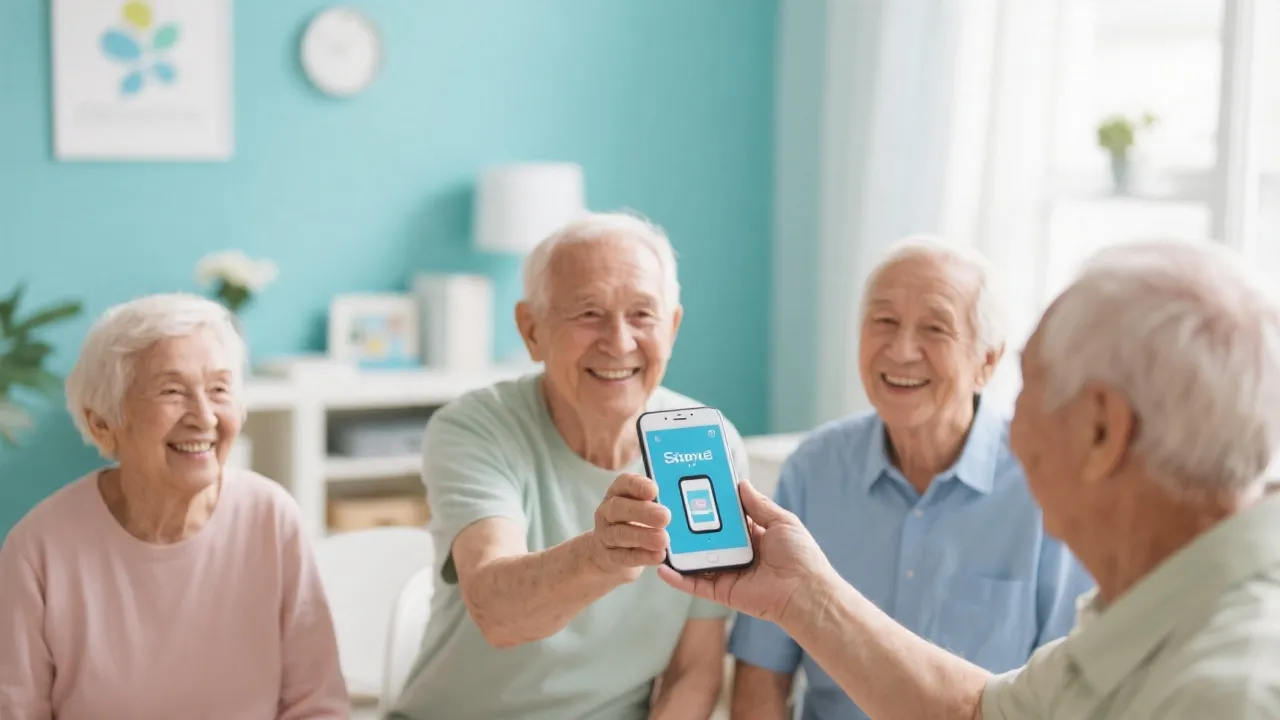
Discover comprehensive programs offering mobile phones at low price to seniors through government initiatives. Mobile connectivity has become indispensable, especially for older adults who rely on it for accessibility, safety, and companionship. This guide navigates the avenues for senior citizens to acquire mobile devices, focusing on government-backed schemes that alleviate communication barriers via specially designed mobile plans.