Search
This guide delves into the available options for seniors to access government-supported phones, highlighting key service providers. Senior citizens often encounter barriers to acquiring modern technology. Thankfully, several government-supported programs provide smartphones to eligible seniors, ensuring they stay connected with their communities.

With the evolution of technology, staying connected has become an essential part of daily life, especially for seniors who rely on communication to maintain relationships and access services. The rise of mobile communication technologies has considerably changed how individuals interact, share experiences, and access information. For older adults, being connected not only facilitates social interaction but also provides access to critical services such as healthcare and financial management. There are several initiatives supported by government programs aimed at providing accessible communication solutions for older adults. These programs not only ensure connectivity but also promote safety, independence, and overall quality of life.
The ubiquity of smartphones and the internet has transformed communication in unprecedented ways. From video calls with family members to social media interactions, being connected can significantly impact a senior’s mental health and social well-being. Understanding the various government-backed phone programs available can help seniors make informed choices in enhancing their communication abilities in an increasingly digital world. This guide explores these programs in-depth, outlining the services available, eligibility criteria, and application processes to ensure that seniors can access the connectivity they need.
Seniors looking for phone services have several options to choose from. These service providers, supported by government programs, offer various plans that cater specifically to low-income individuals and those participating in specific aid programs. Here is a closer look at the services they provide:
| Provider | Included Services | Additional Costs |
|---|---|---|
| SafeLink Wireless | Affordable smartphone or option to bring your own device; unlimited text, calls, and data vary by plan and state. | Premium device upgrades and extra data come at a cost. |
| Assurance Wireless | Affordable Android smartphone, unlimited talk, text, and data allowances. | High-speed data and international calling services are additional upgrades. |
| StandUp Wireless | Affordable smartphone or BYOD options with unlimited talk and text, and data plans. | Costs apply for premium phones and extra data packages. |
| Access Wireless | Unlimited voice, text, and data through Lifeline and ACP benefits. | Data boosts and device upgrades available for an extra fee. |
| True Wireless | Affordable government-supported phones, voice, and data plans. | Upgrade options for better devices or additional data. |
Each of these providers offers specific plans designed to accommodate the communication needs of seniors, particularly those who may be on a limited income. Some key points about these services include compatibility with smartphones and support for basic cellular phones. Many seniors will benefit from smartphone features such as internet accessibility, GPS services, and various apps designed to enhance communication and engagement.
Seniors should also consider customer service and technical support when choosing a provider. Accessibility to help for troubleshooting and assistance can significantly ease the experience of individuals who may not be as technologically savvy. Additionally, as these providers often cater to low-income individuals and seniors, they may offer specific services tailored to the unique needs of older adults, which could include larger print options for screen displays and simplified interfaces.
In addition to the services listed, it is noteworthy that many providers also include important educational components, allowing seniors to familiarize themselves with their devices and the options available. Workshops and instructional resources may be offered to help seniors get the most from their service plans.
As seniors navigate these services, it is prudent to read user reviews and compare coverages in their respective areas. Understanding the limitations and benefits as reported by other users can inform better decision-making regarding the best service provider to meet individual needs.
source: [SafeLink Wireless](https://www.safelinkwireless.com), [Assurance Wireless](https://www.assurancewireless.com), [StandUp Wireless](https://standupwireless.com/), [Access Wireless](https://www.accesswireless.com), [True Wireless](https://www.gotruewireless.com/)
To access these valuable phone services, seniors must meet specific eligibility criteria. The criteria for qualifying for these phone services are consistent across very providers, reflecting federal poverty guidelines and participation in government aid programs:
Successfully applying for a government-backed phone service involves a series of steps that seniors can follow:
Each provider has its own application process, which can typically be found on the respective websites. Some may allow seniors to apply over the phone, providing an additional layer of accessibility. Understanding the application timeline is important; processing can take several days to a few weeks, depending on the provider's back-end systems.
Additionally, certain providers may allow current customers to reapply for enhanced services or renew their eligibility periodically, so it is critical for seniors to keep track of any notifications from their service providers. Staying engaged with the service helps prevent unexpected changes to their plan or disconnection.
When considering applying for government-backed phone services, it’s important to review each provider’s specific terms, potential costs for device upgrades, or additional service features. By evaluating what each service offers, seniors can tailor their selection to better meet their personal communication needs.
Here are some additional aspects to consider:
What is the Lifeline program?
The Lifeline program is a long-standing initiative to make communications services more affordable for low-income consumers by providing discounts on phones and services. This program is crucial in helping reduce the digital divide experienced by economically disadvantaged individuals, particularly seniors.
Can I bring my own device?
Some providers, such as SafeLink and StandUp Wireless, offer the option to bring your own device, which can be convenient for those who prefer using their current phone. This flexibility allows seniors to maintain familiarity with their devices while still enjoying the benefits of subsidized services.
Are there plans specifically designed for seniors?
Many providers do offer plans tailored specifically to seniors, focusing on features that enhance usability, such as larger fonts, easy navigation, and customer service specialists trained to assist older adults. These offerings ensure that seniors feel comfortable using modern technology without feeling overwhelmed.
What if I need help understanding my new phone or plan?
Most providers offer customer support services, which may include online tutorials, customer service hotlines, or even in-person support at local partner agencies. Many seniors find valuable assistance by reaching out to family members or friends who might help familiarize them with their new devices and help them utilize various features effectively.
In conclusion, each of the options available through government-backed programs provides a viable means for seniors to maintain vital communication lines and enjoy the benefits of the digital world. The importance of staying connected through reliable phone services cannot be understated, given its far-reaching implications for an older adult's health and well-being. It's advisable to carefully assess each service offering, alongside costs involved and eligibility requirements, before making a selection.
Moreover, with the continuous advancements in technology and communication, older adults should feel empowered to embrace these changes, utilizing the tools at their disposal to improve their daily lives and maintain strong connections with friends and family. Connectivity is not just a convenience but a necessity in today's world; thus, taking advantage of these programs can greatly enhance the quality of life for many seniors.
The above information is sourced from online platforms and is accurate as of October 2023. It is important to reference each provider’s official terms for the very current information. This guide does not ensure eligibility or acceptance into any program and will not be updated regularly. Individuals seeking support or further clarification on services should reach out directly to service providers or local assistance offices for guidance.
This comprehensive guide delves into how you can obtain an iPhone by signing up for new service plans. Providers offer government-subsidized phone services based on eligibility criteria, influenced by income or participation in aid programs. Learn about various service options and application processes that may lead to landing a new device.
This guide explores options for obtaining iPhones with new plans, highlighting government-supported programs and their offerings. Many service providers present enticing deals, including attractive plans that pair new smartphones with cellular services. Learn more about eligibility criteria, application processes, and the nuances involved in securing these valuable bundles.
In the pursuit of making smartphones more accessible, several government-backed programs have emerged, offering affordable devices and services to eligible individuals. This guide delves into these initiatives, primarily focusing on those offering iPhones as part of new service registrations, shedding light on their eligibility requirements, application procedures, and the benefits they provide. Discover how these options are transforming communication accessibility.
Discover the potential to get a smartphone through new service plans. Companies like SafeLink Wireless, Assurance Wireless, and others offer government-supported phone options to eligible individuals. These programs aim to connect people through essential communication services, often requiring proof of participation in certain assistance programs or income eligibility.
This guide explores opportunities to acquire an iPhone when subscribing to new service plans. It examines the possibility of obtaining a smartphone through specific programs that cater to income-qualified individuals. This article delves into several government-backed initiatives, designed to bridge the digital divide by offering smartphones to individuals who meet specific eligibility requirements.
This guide examines options for obtaining an iPhone with a new service plan. Exploring various phone service providers offers insight into different packages and how eligible consumers might acquire such devices. Through industry expert analysis and a comprehensive table of provider services, this article clarifies opportunities for those seeking advanced devices under specific eligibility criteria.

This guide explores how one can obtain an iPhone through new service plans offered by providers. The opportunity to acquire a phone without upfront expenses can be enticing, especially for those eligible for federal or state programs. The article delves into the details of services, eligibility, and the application process, providing a comprehensive overview of the available options.
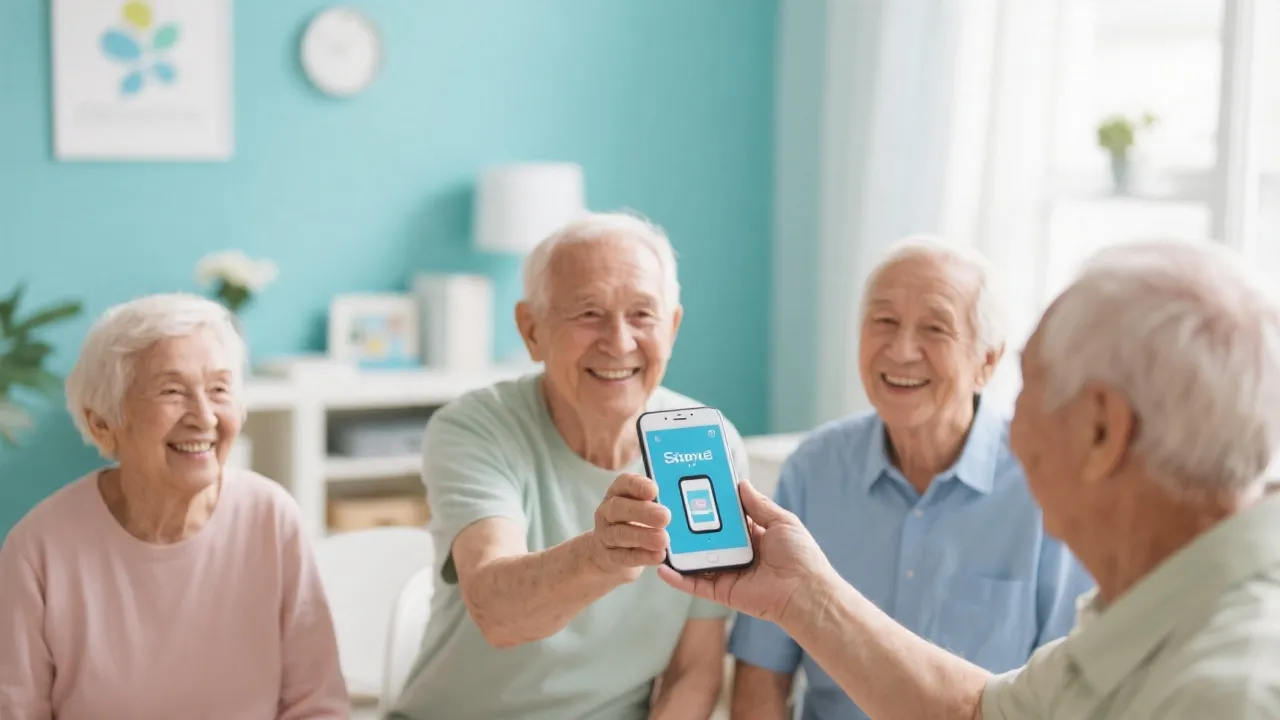
Discover comprehensive programs offering mobile phones at low price to seniors through government initiatives. Mobile connectivity has become indispensable, especially for older adults who rely on it for accessibility, safety, and companionship. This guide navigates the avenues for senior citizens to acquire mobile devices, focusing on government-backed schemes that alleviate communication barriers via specially designed mobile plans.